0
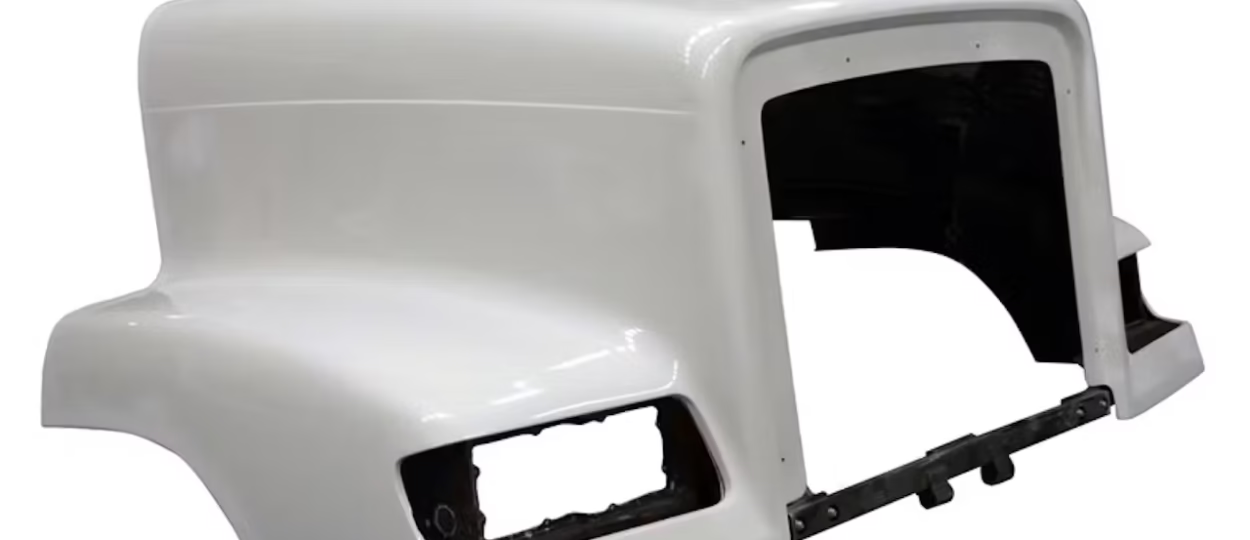
Fleet Products: 13 Amazing Solutions That Improve Fleet Efficiency and Long-Term Success
Fleet Products: 13 Amazing Solutions That Improve Fleet Efficiency and Long-Term Success
Managing a fleet of commercial vehicles requires careful planning, consistent maintenance, and the right equipment to ensure maximum productivity. Whether operating a trucking company, delivery service, construction fleet, or municipal vehicle operation, investing in high-quality fleet products can significantly improve efficiency, safety, and profitability.
Modern fleet management extends beyond simply maintaining vehicles. Today’s businesses rely on a wide range of fleet products designed to enhance vehicle performance, monitor operations, improve driver safety, and reduce maintenance expenses. From GPS tracking systems and diagnostic tools to safety equipment and replacement parts, fleet products play a critical role in keeping vehicles on the road and businesses competitive.
This guide explores the most important fleet products, their benefits, and how they help organizations optimize operations while reducing long-term costs.
Why Fleet Products Are Important
Fleet operations depend on reliable equipment and efficient management systems.
Benefits of Fleet Products
Quality fleet products help businesses:
- Reduce downtime
- Improve vehicle safety
- Increase fuel efficiency
- Enhance driver performance
- Lower maintenance costs
- Improve operational visibility
Investing in the right products helps fleet managers maximize vehicle uptime and profitability.
Fleet Products for Vehicle Maintenance
Preventive maintenance is one of the most effective ways to protect fleet assets.
Essential Fleet Products for Maintenance
Common maintenance-related fleet products include:
- Oil filters
- Fuel filters
- Air filters
- Lubricants
- Coolants
- Maintenance software
Routine servicing helps prevent costly breakdowns and extends vehicle lifespan.
How Fleet Products Reduce Repair Costs
Proactive maintenance products help identify issues before they become major repairs, reducing both downtime and expenses.
Learn more about vehicle efficiency through the U.S. Department of Energy:
Fleet Products for Safety and Compliance
Safety remains a top priority for every fleet operation.
Important Fleet Products for Safety
Examples include:
- Dash cameras
- Backup cameras
- Collision avoidance systems
- Reflective safety equipment
- Emergency kits
- Tire pressure monitoring systems
These products help protect drivers, cargo, and other road users.
Compliance Benefits
Proper safety equipment helps fleets meet regulatory requirements and reduce liability risks.
Fleet Products for GPS Tracking
GPS technology has transformed fleet management.
Modern Fleet Products for Tracking
GPS fleet products provide:
- Real-time vehicle location
- Route optimization
- Driver monitoring
- Delivery tracking
- Asset management
These systems improve efficiency and customer service.
Fuel Savings Through Route Optimization
Optimized routes help reduce fuel consumption and unnecessary mileage.
Products for Driver Performance
Driver behavior directly affects fleet costs and safety.
Products That Support Drivers
Examples include:
- Driver coaching systems
- Electronic logging devices (ELDs)
- Telematics systems
- Fatigue monitoring tools
These technologies help improve driver performance and accountability.
Benefits of Driver Monitoring
Fleet managers can:
- Reduce accidents
- Improve fuel economy
- Encourage safe driving habits
- Enhance compliance
The Federal Motor Carrier Safety Administration offers guidance on commercial vehicle safety:
Products for Fuel Management
Fuel expenses represent one of the largest operational costs for many fleets.
Common Fuel-Related Fleet Products
Examples include:
- Fuel monitoring systems
- Fuel cards
- Telematics solutions
- Engine diagnostic tools
These products help businesses track and control fuel usage.
Improving Operational Efficiency
Fuel management systems provide valuable insights that help reduce waste and lower expenses.
Products for Tire Management
Tires play a major role in safety, fuel efficiency, and vehicle performance.
Tire-Related Products
Popular products include:
- Tire pressure monitoring systems
- Tire inflation tools
- Tire inspection software
- Wheel balancing equipment
Proper tire maintenance helps extend tire lifespan and improve fuel economy.
Cost Savings from Tire Maintenance
Well-maintained tires can reduce fuel consumption and minimize replacement costs.
Products for Diagnostics
Modern vehicles rely heavily on advanced electronics and onboard systems.
Diagnostic Fleet Products
Examples include:
- Vehicle scanners
- Diagnostic software
- Engine monitoring systems
- Predictive maintenance platforms
These tools help identify mechanical issues before failures occur.
Benefits of Predictive Maintenance
Predictive diagnostics can:
- Reduce downtime
- Prevent breakdowns
- Improve scheduling
- Lower repair expenses
Products for Cargo Security
Protecting transported goods is essential.
Security-Oriented Fleet Products
Examples include:
- Cargo monitoring systems
- Electronic locks
- Security cameras
- Trailer tracking devices
These products help reduce theft and improve cargo visibility.
Customer Satisfaction Benefits
Improved cargo security helps build customer trust and reliability.
Products for Communication
Effective communication supports efficient fleet operations.
Communication Products
Common solutions include:
- Mobile dispatch software
- Fleet communication platforms
- Driver messaging systems
These products improve coordination between drivers and management.
Operational Advantages
Improved communication helps reduce delays and improve service quality.
Fleet Products for Sustainability
Environmental responsibility is increasingly important.
Eco-Friendly Products
Examples include:
- Fuel-saving technologies
- Low-emission components
- Energy-efficient lighting
- Idle reduction systems
These products help reduce environmental impact while lowering operating costs.
Sustainability Benefits
Eco-friendly products can improve brand reputation and support regulatory compliance.
The Environmental Protection Agency offers resources related to sustainable transportation:
How to Choose the Best Fleet Products
Selecting the right products requires careful evaluation.
Consider Operational Needs
Ask questions such as:
- What are the biggest operational challenges?
- Where are current inefficiencies?
- Which systems need improvement?
Understanding your goals helps guide purchasing decisions.
Prioritize Quality and Reliability
Look for products that offer:
- Proven performance
- Strong warranties
- Industry certifications
- Technical support
Reliable products often provide the greatest long-term value.
Future Trends in Products
Fleet technology continues to evolve rapidly.
Emerging Products
Future innovations include:
- Artificial intelligence systems
- Autonomous vehicle support tools
- Advanced telematics
- Predictive analytics
- Connected fleet ecosystems
These technologies will continue transforming fleet operations.
The Technology & Maintenance Council provides valuable information on fleet maintenance and emerging technologies:
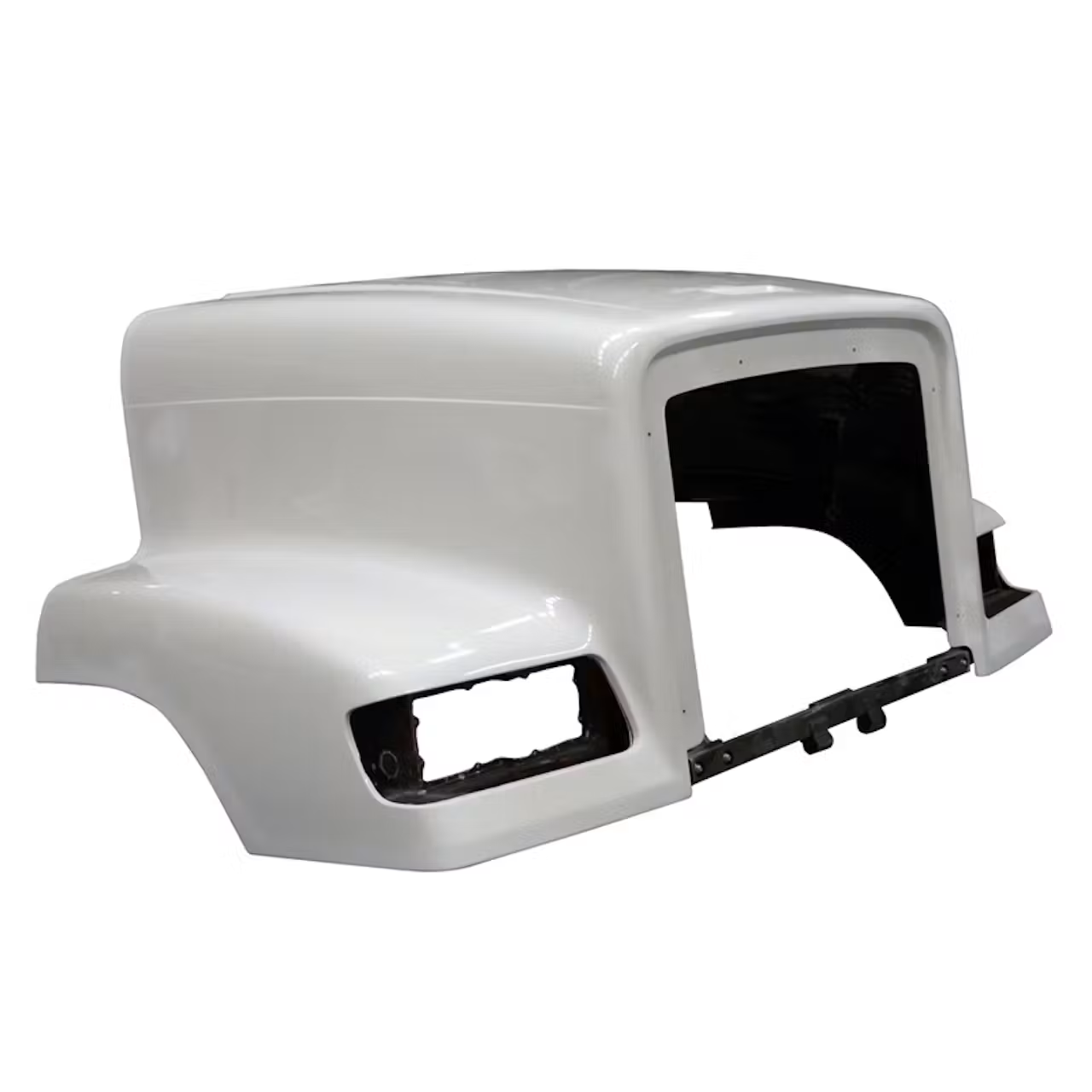
Why Fleet Products Are a Smart Investment
Fleet products help organizations improve efficiency while controlling operational costs.
Long-Term Benefits
Quality products contribute to:
- Increased uptime
- Improved safety
- Better fuel efficiency
- Enhanced productivity
- Lower maintenance expenses
- Greater profitability
These advantages make products essential for modern fleet management.
Conclusion
Investing in high-quality products is one of the most effective ways to improve fleet performance, safety, and operational efficiency. From maintenance tools and GPS tracking systems to safety equipment and diagnostic technologies, modern fleet products provide valuable solutions for organizations of all sizes.
By selecting reliable products, implementing preventive maintenance strategies, and embracing emerging technologies, fleet operators can reduce downtime, improve productivity, and maximize long-term success in an increasingly competitive transportation industry.