0
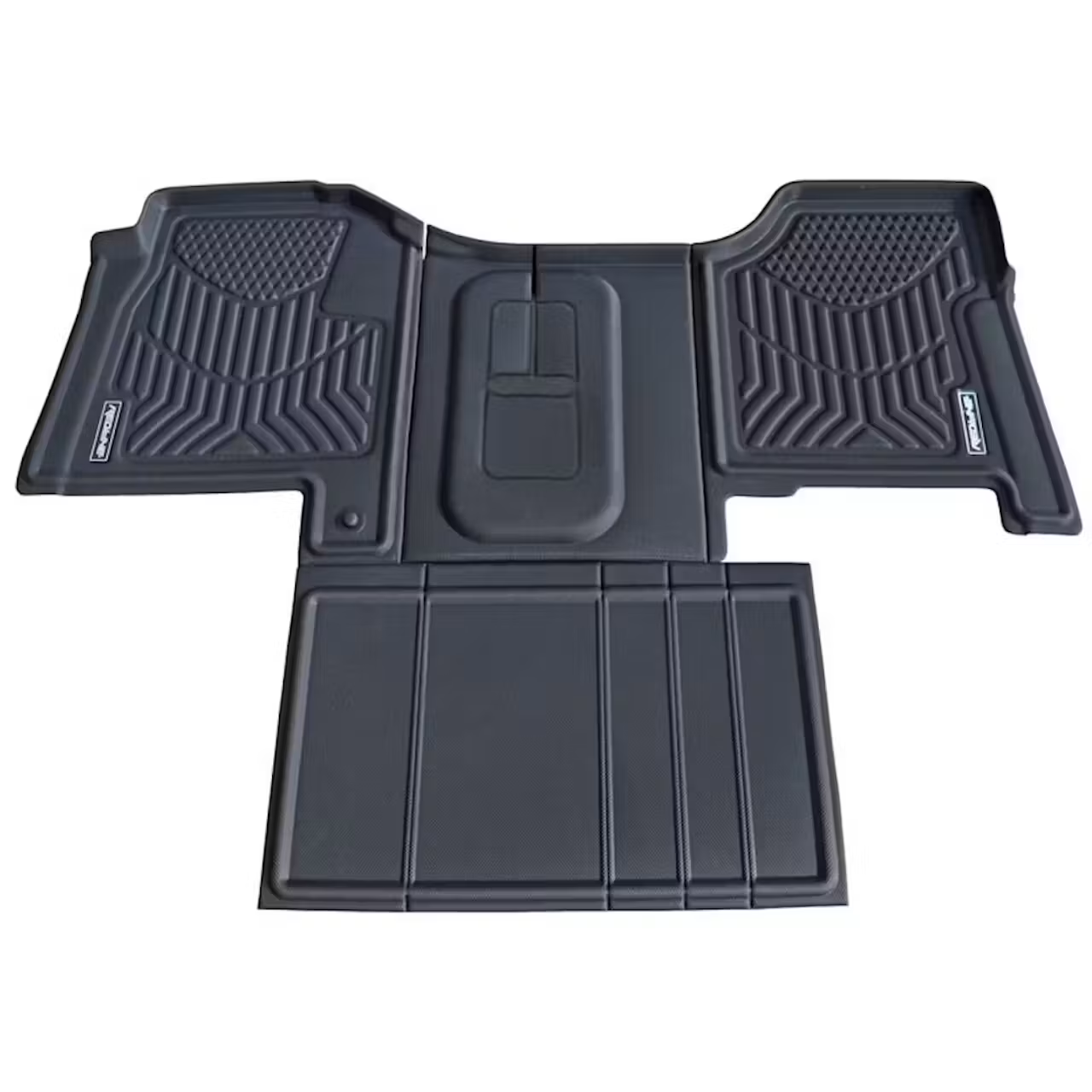
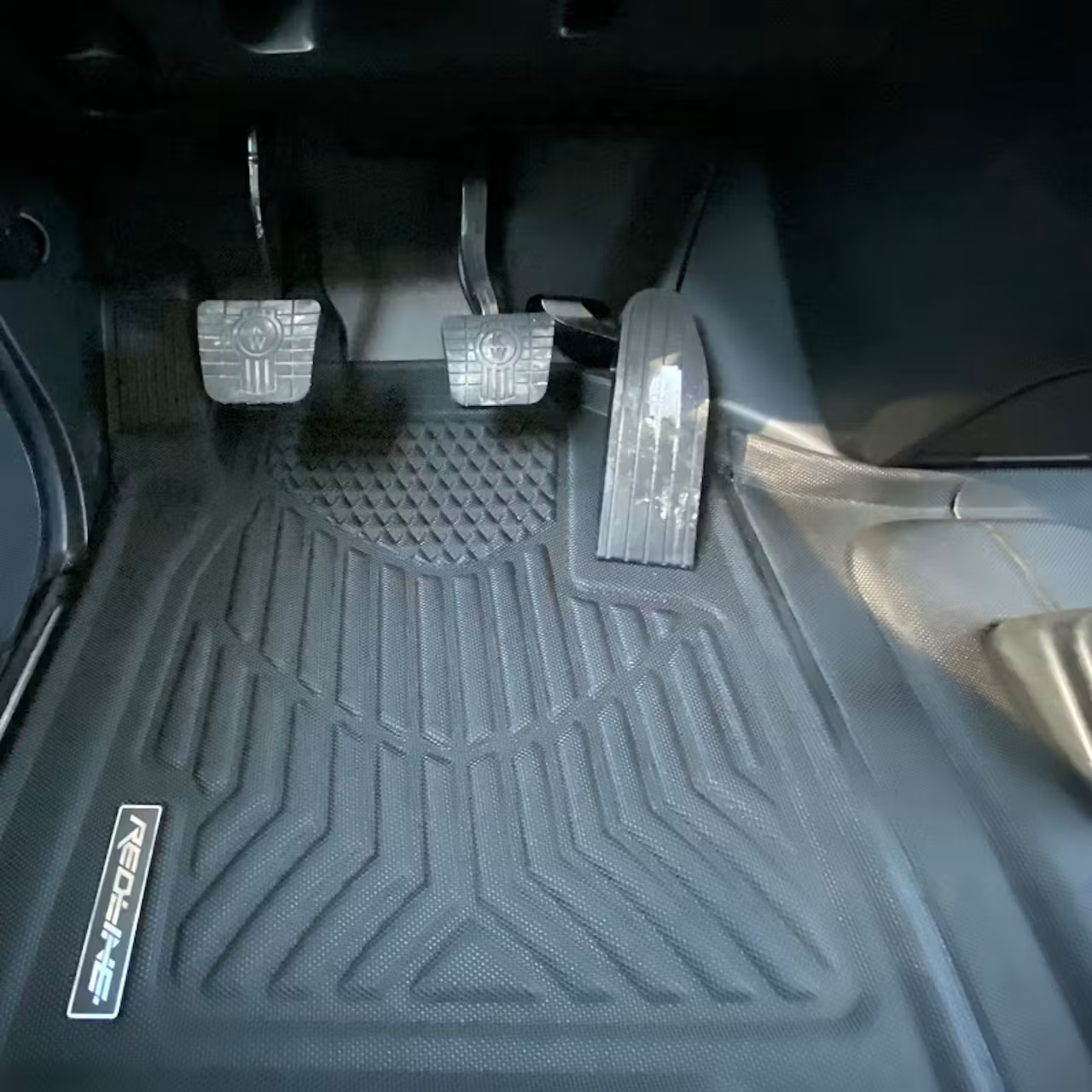
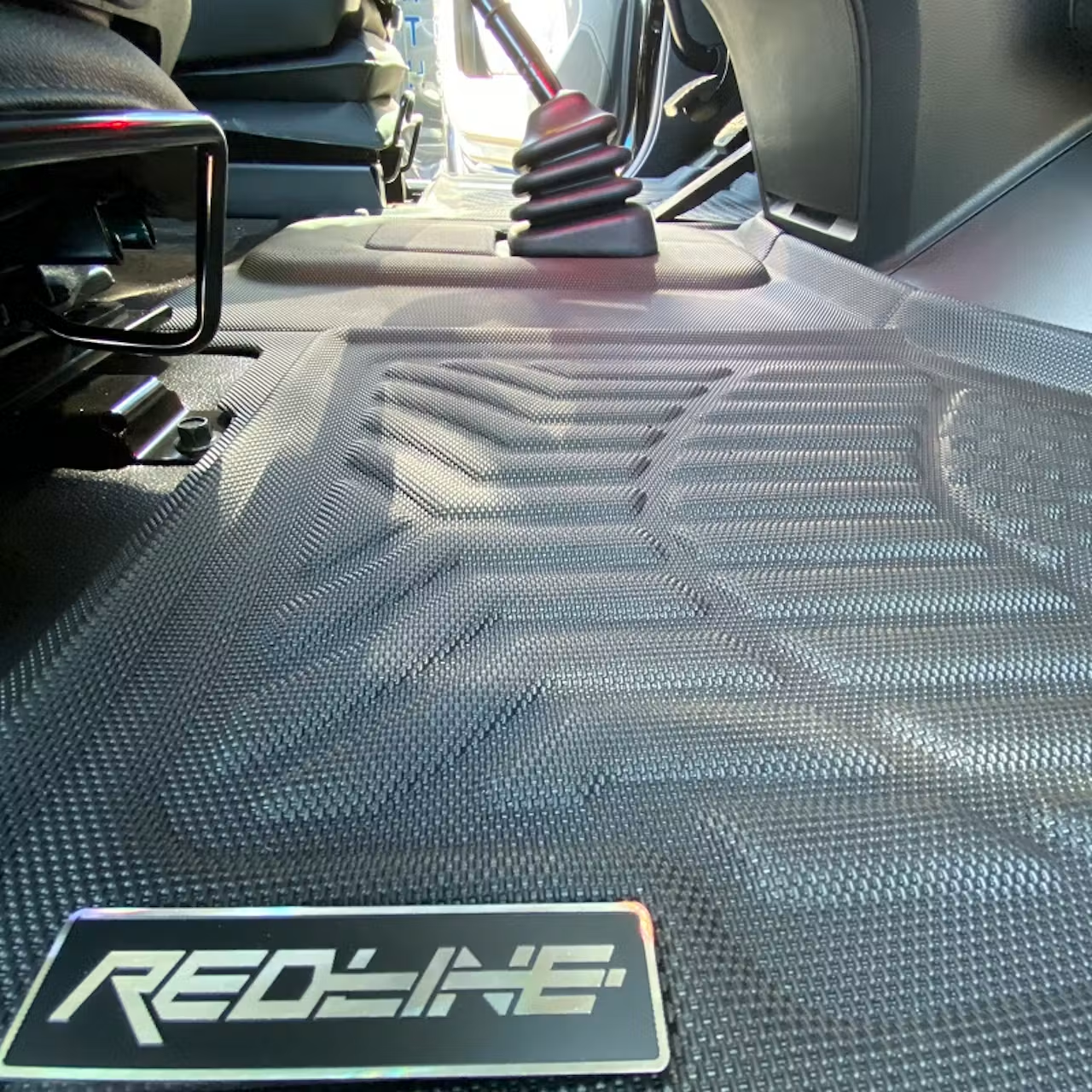
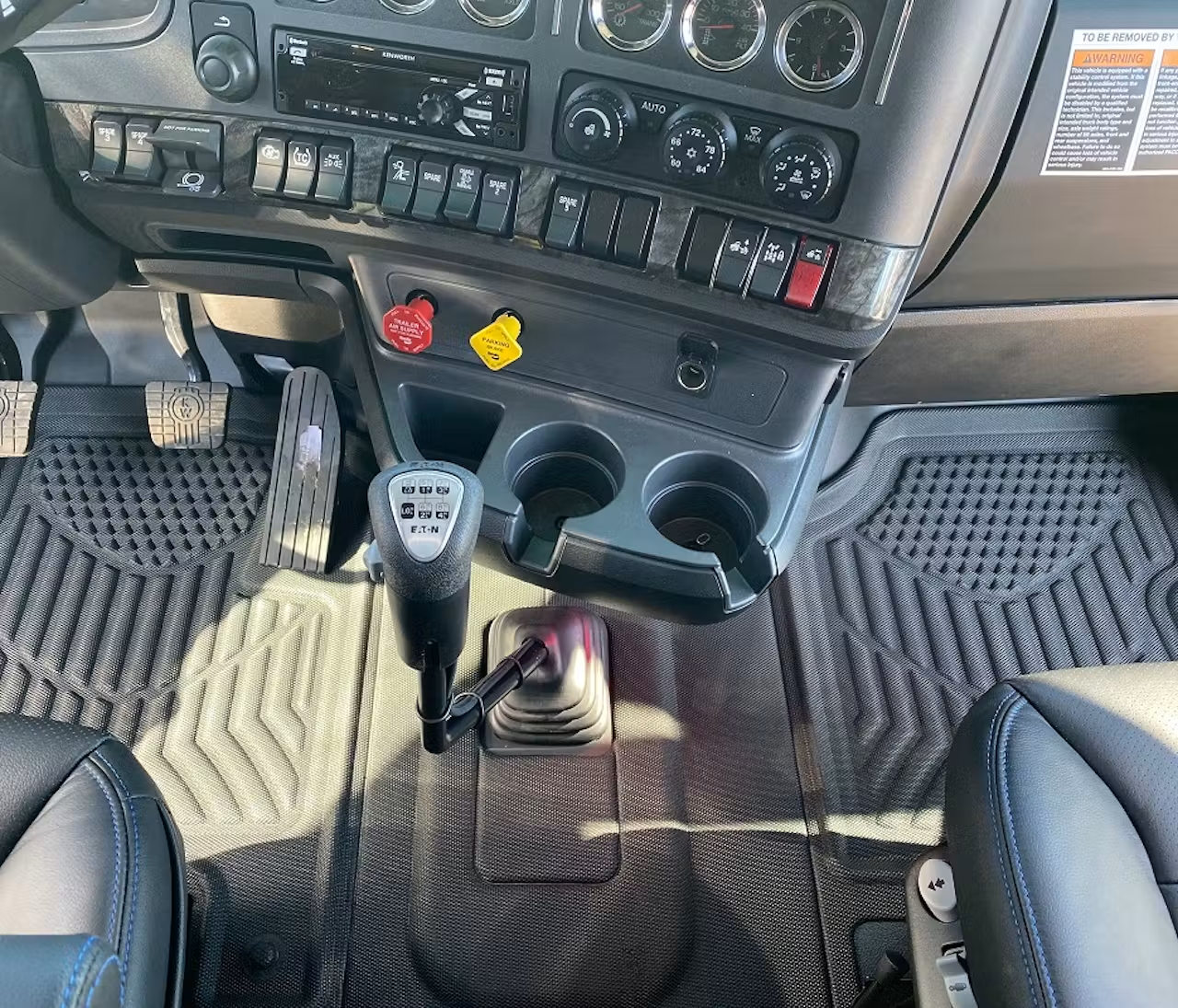
Kenworth W990 Precision Fit Floor Mat By Redline
$200.00
- Kenworth Floor Mat by Redline
- Fits Kenworth W990 Trucks ()
- Laser-Measured for Factory Cabins
- Fits Automatic and Manual Transmission (Requires Trimming Shifter Section On Floor Mat For Manual Transmission)
- 3-Piece Floor Mat with Velcro Attachments:
- Driver-Side Mat
- Passenger-Side Mat
- Center Piece
- Up to 30% More Coverage than Standard Floor Mats
- Easily Detachable, Removable, and Cleanable
- Raised Tray Edges Contain Road Debris and Liquids
- Made from a Rugged Thermoplastic Polymer
- 100% Environmentally Friendly Material
- Features an Anti-Skid TPR Backing
- Raised/Patterned Texture for Grip and Durability
- Sold as a Kit
Description
Heavy Salvage: 13 Amazing Benefits of Quality Heavy-Duty Truck Salvage Parts
The commercial trucking and heavy equipment industries rely on durable machinery to transport freight, complete construction projects, and support essential services. However, maintaining heavy-duty vehicles can be expensive, especially when major components require replacement. This is where heavy salvage plays an important role.
Heavy salvage involves recovering, inspecting, and reselling usable components from retired, damaged, or non-operational commercial trucks, trailers, buses, and construction equipment. Instead of allowing valuable parts to go to waste, salvage operations help extend the lifespan of thousands of heavy-duty vehicles by providing affordable replacement components.
Whether you’re an owner-operator, fleet manager, diesel mechanic, or equipment contractor, understanding the benefits of heavy salvage can help reduce maintenance costs while supporting sustainable business practices.
This guide explains everything you need to know about heavy salvage, including available parts, purchasing tips, environmental benefits, and how salvage components contribute to efficient fleet management.
Why Heavy Salvage Matters
Heavy-duty trucks and equipment represent major financial investments. Replacing components with new parts is not always the most economical option.
Benefits of Heavy Salvage
Choosing heavy salvage parts offers numerous advantages:
- Lower repair costs
- Faster access to replacement parts
- Greater availability for older vehicles
- Reduced equipment downtime
- Environmental sustainability
- Extended equipment lifespan
Heavy salvage helps businesses maximize the value of their equipment while controlling maintenance expenses.
Heavy Salvage for Engine Components
Diesel engines are among the most expensive systems in heavy-duty vehicles.
Common Heavy Salvage Engine Parts
Heavy salvage facilities frequently stock:
- Turbochargers
- Cylinder heads
- Fuel injectors
- Engine blocks
- Oil coolers
- Air compressors
- Water pumps
Many of these components are inspected and tested before resale.
Cost Savings
Purchasing salvaged engine components can significantly reduce repair expenses while maintaining dependable performance.
Learn more about fuel-efficient transportation through the U.S. Department of Energy:
Heavy Salvage for Transmission Systems
Transmission repairs often represent one of the highest maintenance costs.
Heavy Salvage Transmission Components
Common transmission parts include:
- Transmission housings
- Gear assemblies
- Clutch components
- Flywheels
- Driveline parts
Heavy salvage suppliers often carry hard-to-find transmission components for older trucks.
Extending Equipment Life
Used transmission parts help keep aging fleets operating without the cost of complete replacements.
Heavy Salvage for Brake Systems
Safe braking remains essential for every commercial vehicle.
Heavy Salvage Brake Components
Common brake-related parts include:
- Brake drums
- Brake chambers
- Slack adjusters
- Air valves
- Brake hardware
- Backing plates
Quality brake components help maintain safe vehicle operation.
Safety Advantages
Properly inspected brake parts contribute to improved stopping performance and vehicle reliability.
Heavy Salvage for Suspension Systems
Suspension systems absorb road impacts while protecting both equipment and cargo.
Heavy Salvage Suspension Parts
Popular suspension components include:
- Air bags
- Leaf springs
- Torque rods
- Shock absorbers
- Suspension hangers
Replacing worn suspension components improves handling and ride quality.
Driver Comfort
Healthy suspension systems reduce vibration and improve operator comfort during long-distance travel.
Heavy Salvage for Body Components
Truck body damage is common due to road hazards and accidents.
Heavy Salvage Body Parts
Examples include:
- Hoods
- Grilles
- Doors
- Fenders
- Mirrors
- Fuel tanks
- Bumpers
Matching factory body components are often easier to locate through heavy salvage suppliers.
Restoration Benefits
Heavy salvage helps restore commercial vehicles while keeping repair costs manageable.
Salvage for Electrical Systems
Modern heavy-duty trucks depend on sophisticated electrical systems.
Electrical Salvage Components
Common electrical parts include:
- Alternators
- Starters
- Wiring harnesses
- Electronic sensors
- Control modules
- Lighting assemblies
Many electrical components remain serviceable after careful testing.
Reducing Downtime
Readily available electrical parts help minimize repair delays.
Salvage Supports Environmental Sustainability
Recycling heavy-duty vehicle components benefits both businesses and the environment.
Environmental Benefits of Salvage
salvage helps:
- Reduce landfill waste
- Conserve natural resources
- Reduce manufacturing demand
- Lower carbon emissions
- Support recycling initiatives
Every reusable component reduces the need for new raw materials.
Learn more about recycling and sustainability from the Environmental Protection Agency:
How to Evaluate Salvage Parts
Not every used component offers the same level of quality.
Inspect Salvage Components Carefully
Before purchasing, examine parts for:
- Cracks
- Rust
- Structural damage
- Excessive wear
- Missing hardware
A careful inspection reduces purchasing risks.
Verify Compatibility
Always confirm:
- Vehicle make
- Model
- Engine specifications
- Part numbers
- VIN information
Proper compatibility helps ensure successful installation.
OEM vs Salvage Parts
Truck owners often compare new OEM parts with salvage alternatives.
OEM Advantages
OEM parts provide:
- Exact factory specifications
- Warranty compatibility
- Consistent manufacturing standards
Salvage Advantages
salvage parts provide:
- Lower costs
- Greater availability
- Excellent value
- Hard-to-find components
Many fleet operators successfully combine OEM and salvage parts depending on repair requirements.
Salvage for Fleet Management
Fleet managers constantly seek ways to reduce operational expenses.
Benefits for Fleets
salvage helps fleets:
- Lower maintenance budgets
- Reduce downtime
- Extend vehicle lifespan
- Improve inventory availability
- Increase profitability
These benefits support more efficient fleet operations.
Future Trends in Salvage
The heavy salvage industry continues to evolve with new technologies.
Emerging Innovations
Future developments include:
- Digital inventory systems
- Online parts catalogs
- Advanced component testing
- AI-assisted inventory management
- Improved recycling processes
Technology continues making salvage parts more accessible and reliable.
The Technology & Maintenance Council provides valuable information regarding commercial vehicle maintenance:
Best Practices When Buying Salvage Parts
To maximize value:
Follow These Guidelines
- Buy from reputable salvage suppliers.
- Inspect parts carefully.
- Verify compatibility before purchasing.
- Request available warranties.
- Maintain detailed service records.
- Replace critical safety components only with trusted products.
Following these practices improves repair success and long-term reliability.
Conclusion
salvage remains one of the most valuable resources available to truck owners, fleet managers, mechanics, and equipment operators seeking affordable, dependable replacement parts. From engines and transmissions to brake systems, suspension components, body panels, and electrical assemblies, heavy salvage suppliers help reduce maintenance costs while extending equipment life.
By purchasing quality inspected components, verifying compatibility, and working with reputable salvage facilities, businesses can improve operational efficiency, reduce downtime, support sustainability, and maximize the return on their heavy-duty equipment investments.
Recommended DoFollow External Links
Related products
-
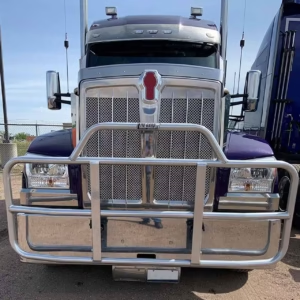
Kenworth W990 3XT Series Grille Guard By Lite-Gard
$1,000.00 Add to cart Compare -
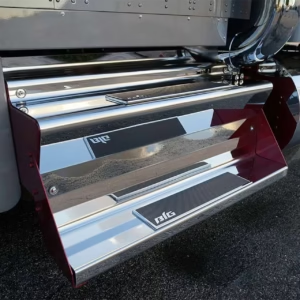
Chrome Plated Step Pad Kit By Big Strappers
$300.00 Add to cart Compare -
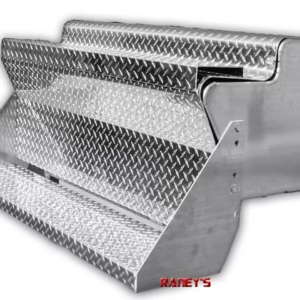
Kenworth W900 Aluminum Diamond Plate Tool Box
$450.00 Add to cart Compare -

Kenworth W990 Texas Square Bumper By Valley Chrome
$400.00 Add to cart Compare
Reviews
There are no reviews yet.