0


Kenworth T680 T880 W990 11″ Replacement Drop Visor
$250.00
- 11″ Blank Replacement Visor
- Replaces Factory Visor Only
- Fits Kenworth T680, T880, & W990 Daycab or Flat Top Trucks Only
- Made Of Stainless Steel
- Drilling Is Not Required
- Sold Individually
- Quality Made Product
Description
Intake Temperature Sensor: 13 Amazing Benefits for Better Engine Performance and Fuel Efficiency
Modern gasoline and diesel engines rely on dozens of electronic sensors to operate efficiently. One of the most important yet often overlooked components is the intake temperature sensor. Also known as the Intake Air Temperature (IAT) sensor, this small device measures the temperature of the air entering the engine and sends that information to the Engine Control Unit (ECU). The ECU uses this data to optimize fuel delivery, ignition timing, turbocharger performance, and emissions.
Because air density changes with temperature, the engine must constantly adjust the air-fuel mixture for maximum efficiency. A properly functioning intake temperature sensor helps ensure smooth engine performance, improved fuel economy, and lower emissions. When the sensor fails, drivers may experience poor acceleration, reduced fuel efficiency, rough idling, or an illuminated check engine light.
This guide explains how the intake temperature sensor works, why it is important, common failure symptoms, maintenance practices, and how to choose the right replacement sensor.
What Is an Intake Temperature Sensor?
An intake temperature sensor measures the temperature of incoming air before it enters the combustion chamber. This information is transmitted to the vehicle’s ECU, which continuously adjusts engine operation based on current conditions.
The sensor is commonly located:
- In the air intake duct
- Inside the intake manifold
- Near the air filter housing
- Integrated with the Mass Air Flow (MAF) sensor on some vehicles
Accurate air temperature readings are essential because cooler air contains more oxygen than warmer air, affecting combustion efficiency.
Why the Intake Temperature Sensor Is Important
Modern engines depend on accurate sensor data to deliver optimal performance.
Benefits of an Intake Temperature Sensor
A properly functioning intake temperature sensor helps:
- Improve fuel efficiency
- Optimize air-fuel ratios
- Enhance engine performance
- Reduce harmful emissions
- Improve cold-weather starting
- Protect turbocharged engines
- Support smooth acceleration
Without reliable temperature data, the ECU cannot accurately calculate the correct fuel mixture.
How an Intake Temperature Sensor Works
The intake temperature sensor contains a thermistor that changes electrical resistance as air temperature changes.
Intake Temperature Sensor Operation
The process is simple:
- Air enters the intake system.
- The intake temperature sensor measures incoming air temperature.
- The sensor sends a voltage signal to the ECU.
- The ECU adjusts fuel injection and ignition timing.
- The engine maintains efficient combustion.
This continuous process happens thousands of times each minute while the engine is running.
Engine Management Benefits
Accurate sensor readings improve:
- Combustion efficiency
- Engine response
- Fuel economy
- Overall drivability
Learn more about fuel-efficient vehicle technologies from the U.S. Department of Energy:
Intake Temperature Sensor and Fuel Efficiency
Fuel economy depends on maintaining the proper air-fuel mixture.
How the Intake Temperature Sensor Saves Fuel
The ECU uses intake air temperature data to:
- Calculate air density
- Adjust injector pulse width
- Optimize combustion
- Improve throttle response
These adjustments help maximize fuel efficiency under varying weather conditions.
Cost Savings
Improved fuel economy can significantly reduce operating costs over the life of a vehicle.
Intake Temperature Sensor and Engine Performance
Engine performance is directly affected by intake air temperature.
Performance Benefits of the Intake Temperature Sensor
Proper operation helps:
- Improve horsepower
- Enhance throttle response
- Reduce hesitation
- Improve acceleration
- Support turbocharger efficiency
Accurate data allows the ECU to deliver optimal engine performance.
Common Intake Temperature Sensor Failure Symptoms
Like any electronic component, the intake temperature sensor can eventually fail.
Signs of a Faulty Intake Temperature Sensor
Common symptoms include:
- Check engine light
- Poor fuel economy
- Rough idle
- Hard starting
- Reduced acceleration
- Black exhaust smoke
- Engine hesitation
Ignoring these symptoms may lead to additional engine problems.
Diagnostic Trouble Codes
A failed sensor may trigger diagnostic codes related to intake air temperature or fuel mixture adjustments.
Causes of Intake Temperature Sensor Failure
Several factors can shorten sensor lifespan.
Common Causes
Examples include:
- Dirt accumulation
- Oil contamination
- Wiring damage
- Corrosion
- Electrical shorts
- Age-related wear
Routine inspections help identify problems before complete failure occurs.
How to Test an Intake Temperature Sensor
Diagnosing sensor problems is often straightforward.
Intake Temperature Sensor Testing
Technicians typically use:
- Digital multimeters
- OBD-II scanners
- Live sensor data
- Resistance measurements
These tools help verify proper sensor operation.
Professional Diagnostics
If uncertain, have the vehicle inspected by a qualified technician to avoid unnecessary parts replacement.
Replacing an Intake Temperature Sensor
Most intake temperature sensors are relatively easy to replace.
Replacement Process
General steps include:
- Disconnect the battery.
- Locate the sensor.
- Disconnect the electrical connector.
- Remove the old sensor.
- Install the replacement sensor.
- Reconnect wiring.
- Clear diagnostic codes.
Always follow the vehicle manufacturer’s service procedures.
Choosing the Best Intake Temperature Sensor
Not all replacement sensors provide the same quality.
What to Look For
Choose sensors offering:
- OEM-quality construction
- Accurate calibration
- Durable materials
- Proper connector fit
- Manufacturer warranty
High-quality sensors improve long-term reliability.
OEM vs Aftermarket
Both OEM and reputable aftermarket sensors can deliver excellent performance when properly matched to the vehicle.
Intake Sensor Maintenance Tips
Routine maintenance extends sensor life.
Maintenance Best Practices
- Inspect wiring regularly.
- Replace dirty air filters.
- Keep the intake system clean.
- Repair vacuum leaks promptly.
- Check connectors for corrosion.
Preventive maintenance helps maintain accurate sensor readings.
The National Highway Traffic Safety Administration provides valuable vehicle maintenance resources:
Intake Sensor and Emissions Control
Accurate air temperature data helps reduce environmental impact.
Emissions Benefits
Proper sensor operation helps:
- Reduce fuel consumption
- Lower exhaust emissions
- Improve combustion efficiency
- Support emissions compliance
Well-maintained sensors contribute to cleaner engine operation.
The Environmental Protection Agency offers information on vehicle emissions and maintenance:
Future Technology for Intake Sensors
Automotive electronics continue evolving.
Emerging Innovations
Future intake sensor technologies may include:
- Faster response times
- Improved durability
- Integrated multi-function sensors
- Enhanced ECU communication
- Advanced predictive diagnostics
These innovations will further improve engine efficiency and reliability.
Best Practices for Intake Sensor Care
To maximize sensor performance:
Helpful Tips
- Replace air filters on schedule.
- Inspect the intake system regularly.
- Use high-quality replacement sensors.
- Address check engine lights promptly.
- Perform routine engine diagnostics.
- Keep electrical connections clean and secure.
Following these recommendations helps maintain consistent engine performance.
Conclusion
The intake sensor is a small but essential component that plays a major role in modern engine management. By accurately measuring incoming air temperature, it helps the ECU optimize fuel delivery, ignition timing, engine performance, and emissions.
Whether you drive a passenger vehicle, pickup truck, or heavy-duty commercial truck, maintaining a properly functioning intake temperature sensor improves fuel economy, reduces emissions, enhances reliability, and supports long-term engine health. Investing in quality replacement sensors and following regular maintenance practices will help keep your engine operating at peak efficiency for years to come.
Recommended DoFollow External Links
Related products
-
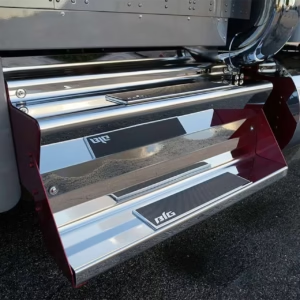
Chrome Plated Step Pad Kit By Big Strappers
$300.00 Add to cart Compare -
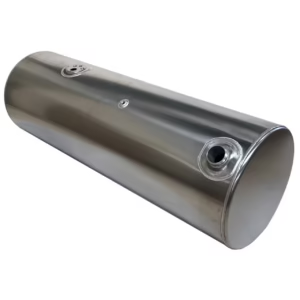
Kenworth Aluminum Replacement 150 Gallon Fuel Tank Rear Fill
$350.00 Add to cart Compare -

Kenworth T680 T880 W990 11″ Replacement Drop Visor
$300.00 Add to cart Compare -
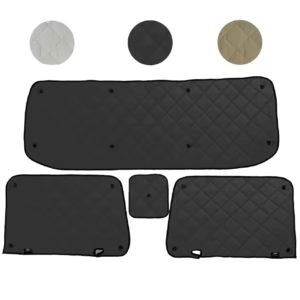
Kenworth ZenEclipse Blackout Window Covers
$200.00 Add to cart Compare
Reviews
There are no reviews yet.