0

Aluminum Fuel Tank: 9 Powerful Benefits Every Vehicle Owner Should Know
Aluminum Fuel Tank: A Complete Guide for Truck and Vehicle Owners
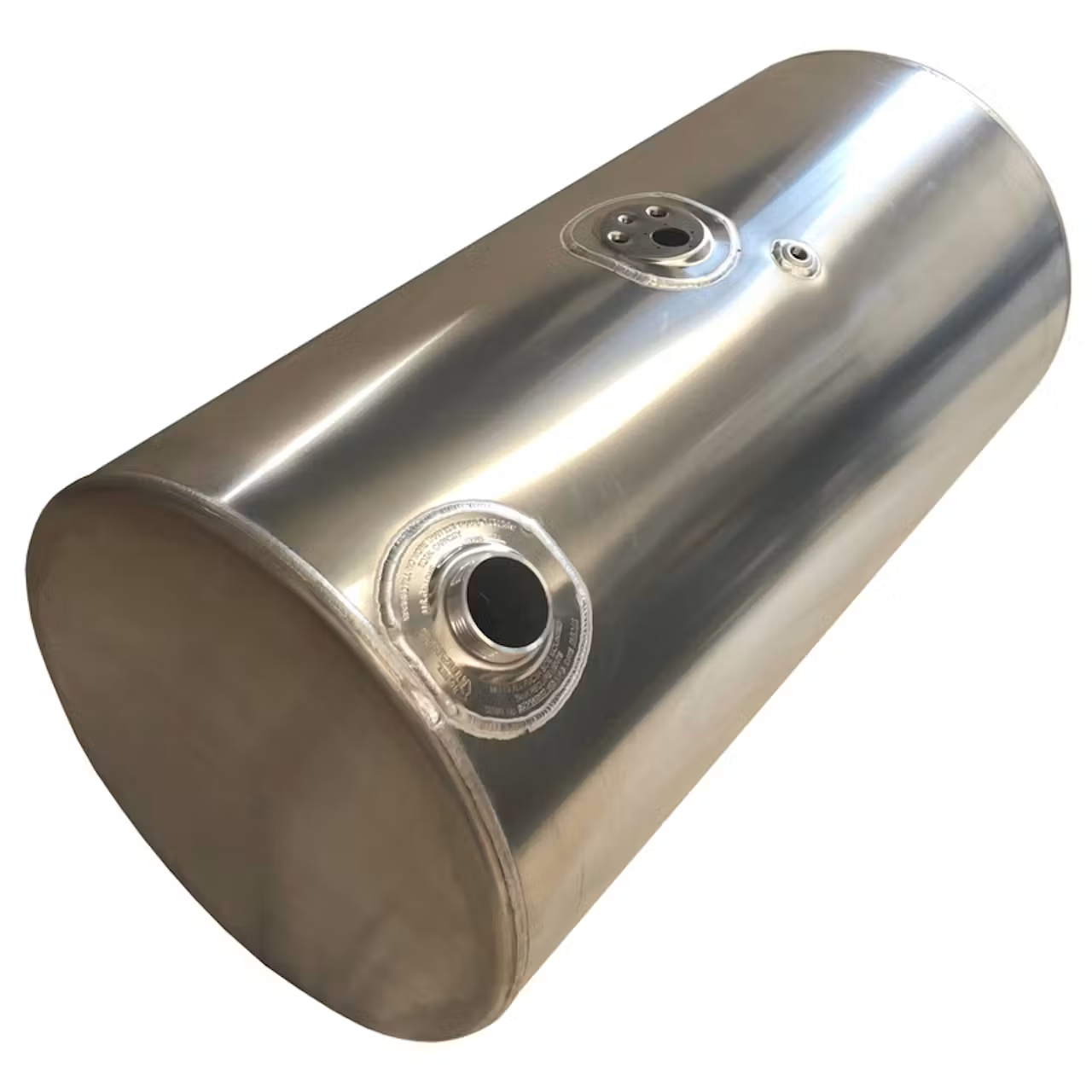
An Aluminum Fuel Tank is a popular choice for trucks, trailers, commercial vehicles, and specialty equipment because of its lightweight construction, durability, and resistance to corrosion. Compared to traditional steel fuel tanks, aluminum models provide excellent strength while reducing overall vehicle weight.
For fleet operators, truck owners, and equipment professionals, choosing the right fuel tank can improve efficiency, reliability, and long-term performance.
Why Choose an Aluminum Fuel Tank?
An Aluminum Fuel Tank offers several advantages that make it a preferred option in many transportation industries.
Key benefits include:
- Lightweight construction
- Excellent corrosion resistance
- Long service life
- Reduced vehicle weight
- Improved fuel efficiency potential
- Strong structural performance
- Professional appearance
These advantages make aluminum fuel tanks ideal for demanding environments where reliability matters.
Lightweight Design Advantages
One of the biggest benefits of an Aluminum Fuel Tank is its reduced weight compared to steel alternatives.
A lighter fuel tank can help provide:
- Increased payload capacity
- Lower vehicle weight
- Reduced strain on components
- Improved fuel economy potential
- Easier installation and handling
For commercial trucks that travel long distances, reducing unnecessary weight can contribute to better operating efficiency.
Corrosion Resistance and Durability
Fuel tanks are exposed to challenging conditions, including moisture, road salt, temperature changes, and debris.
An Aluminum Fuel Tank naturally resists corrosion, helping protect against:
- Rust damage
- Weather-related deterioration
- Premature replacement
- Structural weakening
This corrosion resistance makes aluminum tanks especially valuable for trucks and vehicles operating in harsh environments.
Common Applications of Aluminum Fuel Tanks
Aluminum fuel tanks are widely used across many industries.
Common applications include:
- Semi-trucks
- Pickup trucks
- Commercial fleets
- Construction equipment
- Agricultural machinery
- Marine applications
- Specialty vehicles
- Racing and performance vehicles
Their versatility makes them suitable for both everyday transportation and heavy-duty operations.
Choosing the Right Aluminum Fuel Tank
Before purchasing an Aluminum Fuel Tank, consider several important factors.
Look for:
- Proper tank capacity
- Vehicle compatibility
- Mounting requirements
- Material thickness
- Quality construction
- Manufacturer reputation
- Warranty coverage
Selecting the correct tank ensures proper fit, safe operation, and long-lasting performance.
Maintenance Tips for Aluminum Fuel Tanks
Although aluminum tanks require less maintenance than many steel alternatives, regular care is still important.
Helpful maintenance practices include:
- Inspect the tank regularly for damage.
- Check mounting brackets and connections.
- Keep the tank clean from road debris.
- Inspect fuel lines and fittings.
- Address leaks immediately.
- Follow manufacturer recommendations.
Routine inspections help prevent unexpected issues and extend the tank’s service life.
Aluminum Fuel Tank vs. Steel Fuel Tank
Both aluminum and steel fuel tanks have advantages.
Aluminum Fuel Tanks
Benefits:
- Lightweight
- Corrosion resistant
- Attractive finish
- Lower maintenance needs
Steel Fuel Tanks
Benefits:
- Strong construction
- Often lower initial cost
- Widely available
The best option depends on the vehicle application, operating conditions, and performance goals.
Installation Considerations
Proper installation is essential for safe fuel system operation.
Important installation steps include:
- Confirm correct measurements.
- Use appropriate mounting hardware.
- Secure all connections.
- Check for proper clearance.
- Inspect fuel lines.
- Test the system before operation.
Professional installation may be recommended for commercial vehicles or complex fuel systems.
Frequently Asked Questions
Are aluminum fuel tanks better than steel tanks?
fuel tanks are often preferred because they are lighter and more resistant to corrosion, making them suitable for many commercial and heavy-duty applications.
How long does an aluminum fuel tank last?
With proper maintenance and installation, an fuel tank can provide many years of reliable service.
Are fuel tanks safe?
Yes. Quality aluminum fuel tanks designed for vehicle applications are built to meet safety and performance requirements.
Can fuel tanks improve fuel efficiency?
Reducing vehicle weight with aluminum components may contribute to improved fuel efficiency, depending on the vehicle and operating conditions.
Final Thoughts
An Fuel Tank is a reliable and efficient solution for truck owners, fleet operators, and equipment professionals looking for durability and reduced weight. Its corrosion resistance, strong construction, and lightweight design make it a valuable upgrade for many vehicles.
By choosing a high-quality fuel tank, maintaining it properly, and ensuring correct installation, vehicle owners can enjoy improved reliability, longer service life, and dependable fuel system performance.
DoFollow External Resources
- Federal Motor Carrier Safety Administration (FMCSA): https://www.fmcsa.dot.gov/
- National Highway Traffic Safety Administration (NHTSA): https://www.nhtsa.gov/
- Society of Automotive Engineers (SAE International): https://www.sae.org/
- American Trucking Associations (ATA): https://www.trucking.org/