0

Pittsburgh Power: 7 Powerful Benefits for Better Truck Performance
Introduction to Pittsburgh Power
Diesel truck owners are always looking for ways to improve engine performance, maintain reliability, and get more value from their vehicles. Pittsburgh Power is a recognized name in the diesel performance industry, associated with products and services designed for heavy-duty trucks and diesel engines.
Whether you operate a commercial truck for long-distance transportation or manage a fleet of heavy-duty vehicles, understanding diesel performance upgrades can help you make informed decisions. From engine tuning and fuel economy considerations to routine maintenance, several factors influence how effectively a truck performs.
In this guide, we explore important considerations for truck owners interested in Pittsburgh Power and diesel performance solutions.
What Is Pittsburgh Power?
Pittsburgh Power is a company known for diesel engine performance products, truck-related services, and solutions aimed at improving the operation of heavy-duty diesel vehicles.
Depending on the vehicle and product, diesel performance upgrades may focus on engine calibration, power delivery, drivability, or other aspects of engine operation.
Before choosing a performance product, truck owners should confirm compatibility with their engine, transmission, emissions equipment, and intended application.
7 Powerful Tips for Understanding Pittsburgh Power Solutions
1. Understand Your Truck’s Performance Needs
Before purchasing performance upgrades, identify what you want to improve. Some truck owners prioritize pulling power, while others focus on drivability, operating costs, or maintaining consistent performance under load.
Your truck’s engine model, transmission, vehicle weight, and typical routes all influence which upgrades may be appropriate.
Start by reviewing the manufacturer’s specifications and discussing your goals with a qualified diesel technician.
2. Learn About Diesel Engine Tuning
Engine tuning involves adjusting engine control parameters to influence how an engine operates.
Depending on the engine and calibration, tuning may affect power delivery, torque, throttle response, and fuel consumption. Results vary by vehicle, operating conditions, and driving habits.
Always ensure that any tuning solution complies with applicable emissions regulations and does not compromise engine reliability.
3. Consider Fuel Efficiency
Fuel expenses are a significant operating cost for commercial truck owners. Maintaining appropriate engine performance, tire pressure, and vehicle condition can help support efficient operation.
Although some performance products are marketed as fuel-saving solutions, actual results depend on the truck, load, route, driving style, and maintenance history.
Track fuel consumption before and after making changes to determine whether an upgrade delivers measurable benefits.
4. Prioritize Engine Reliability
Increasing engine output without considering operating limits can place additional demands on engine components and the drivetrain.
Before installing a performance upgrade, evaluate cooling system capacity, engine condition, transmission requirements, and the manufacturer’s operating recommendations.
Regular oil changes, fuel filter replacement, and scheduled inspections remain essential even when performance products are installed.
5. Understand Turbocharger Performance
Turbochargers help diesel engines produce power by supplying compressed air to the engine. Their operation affects engine response, combustion, and overall performance.
If you are researching Pittsburgh Power products, learn how any recommended upgrades interact with your existing turbocharger and engine configuration.
Changes to boost pressure or engine calibration should be evaluated by qualified professionals to avoid excessive temperatures, mechanical stress, or other reliability issues.
6. Check Product Compatibility
Not every performance product is suitable for every diesel truck. Compatibility can depend on engine manufacturer, model year, electronic control system, transmission, and emissions configuration.
Before ordering, confirm the product’s specifications and installation requirements. Provide the supplier with your engine details and truck information to reduce the risk of purchasing an unsuitable component.
For manufacturer information, visit the official Pittsburgh Power website.
7. Follow Proper Maintenance Practices
Performance upgrades cannot replace regular truck maintenance. Keeping the engine and supporting systems in good condition helps maintain reliable operation.
Important maintenance practices include:
- Inspecting the cooling system regularly.
- Replacing engine oil and filters according to the service schedule.
- Checking fuel system components for leaks or damage.
- Monitoring engine temperatures and warning indicators.
- Inspecting turbocharger hoses and connections.
- Addressing unusual noises, smoke, or changes in performance promptly.
Consistent maintenance can help identify potential problems before they lead to costly repairs.
How to Choose the Right Diesel Performance Products
When comparing Pittsburgh Power products or other diesel performance solutions, consider the following factors:
Vehicle compatibility: Confirm that the product matches your engine and truck configuration.
Performance objectives: Decide whether you want improved drivability, additional power, or better operating efficiency.
Installation requirements: Determine whether professional installation or electronic calibration is necessary.
Warranty considerations: Check whether modifications could affect your vehicle or engine warranty.
Legal compliance: Confirm that the product and installation comply with applicable emissions and road-use regulations.
Long-term costs: Consider purchase price, installation, maintenance, and potential effects on component service life.
For additional information about commercial truck safety and regulations, consult the Federal Motor Carrier Safety Administration.
Conclusion
Pittsburgh Power is a useful starting point for truck owners researching diesel engine performance products and services. Understanding engine tuning, fuel efficiency, turbocharger operation, and maintenance can help you evaluate available solutions more effectively.
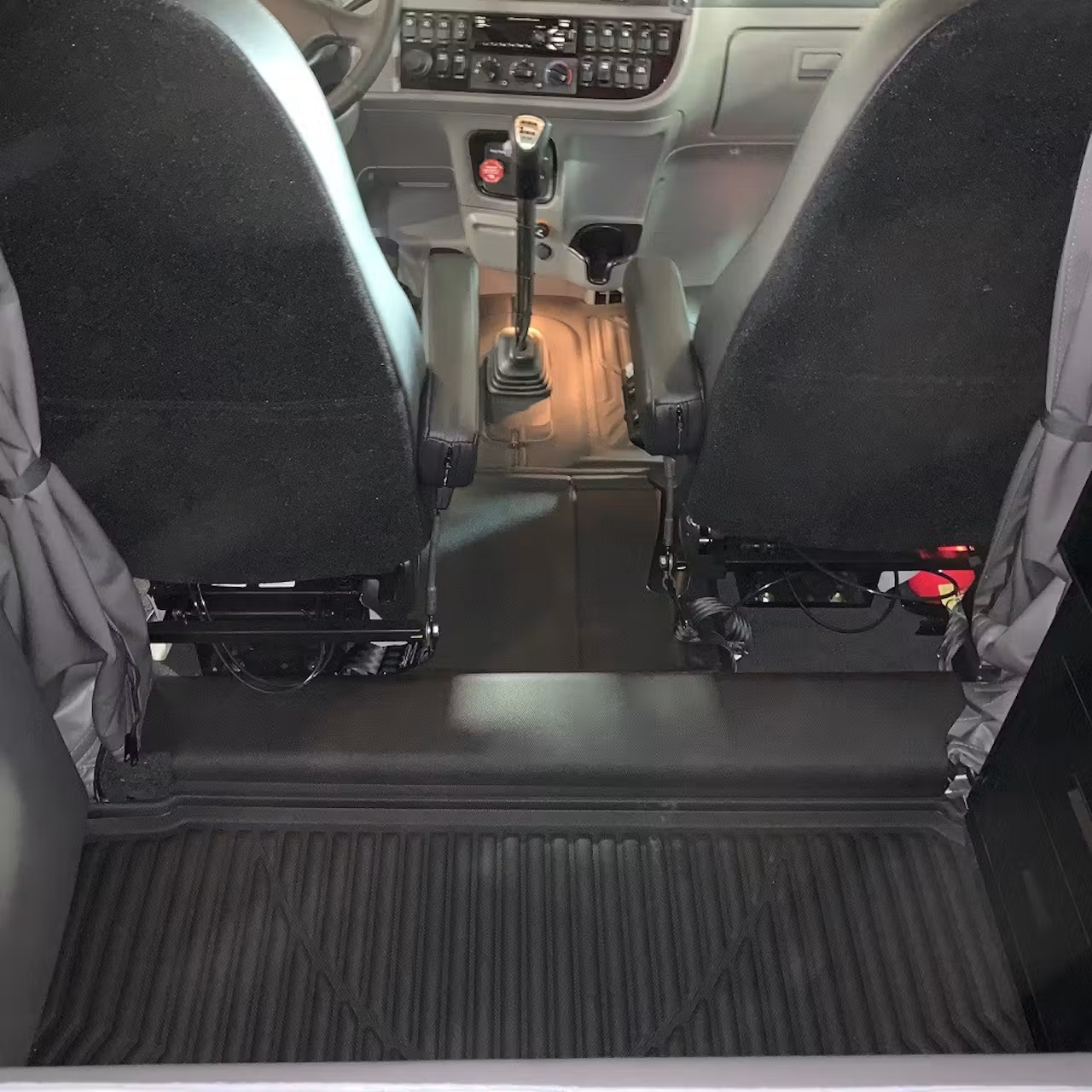
Before upgrading your truck, identify your performance goals, verify product compatibility, and consult a qualified diesel technician. By combining informed purchasing decisions with consistent maintenance, you can work toward dependable performance while protecting your truck’s long-term reliability
Pittsburgh Power:Official Pittsburgh Power Website — Explore diesel performance products and services. Federal Motor Carrier Safety Administration:FMCSA Official Website — Find commercial trucking safety and regulatory information. U.S. Environmental Protection Agency:EPA Official Website — Learn about environmental requirements and emissions information.